We are our children's most enthusiastic supporters always ready to offer praise and encouragement.
"What a great drawing! I really like how you used the blue paint."
"I love how you figured that out by yourself!"
"It was very kind of you to help your brother!"
We celebrate their achievements, efforts and positive behaviour because we want them to feel seen, loved, and confident. But what happens when we aren't there to cheer them on? When they face a tricky problem at school or a social challenge in the playground, what voice do they hear inside their own head? Let’s explore the powerful difference between praise and positive self-belief and provide some simple, actionable strategies to help your child develop a resilient inner voice.
The Difference Between Praise and Positive Self-Belief
While compliments are wonderful, when used by themselves they can connect a child’s sense of worth to their accomplishments. This can subtly teach them to rely on validation from others to feel good about themselves.
Positive affirmations work a little differently. They cultivate a genuine sense of self-worth and motivation that grows from within. They are not about what a child does, but about who they are.
Which message do you think will provide the most lasting value, "You did well on the test" or "I am a capable learner"?
Children are not born with self-doubt or self-confidence, they learn it.
Toddlers are quite happy to give anything a try, not due a confidence in their own abilities but because to them, what is important is the task not the outcome. The fun of painting is squishing paint, mixing colours, and making marks, not how closely their painting resembles a ‘real horse’.
As children grow, they become more aware of themselves as separate individuals with specific skills and abilities which leads to self-evaluation. When they enter school, they find themselves among a group of peers, all the same age, all performing the same tasks, and sadly, this is a breeding ground for social comparison.
When you equip your toddler early on with positive affirmations like "I am brave," "I can solve problems," or "I am a kind friend," you are essentially giving them the script for their future self-talk and providing them with the emotional tools to help them treasure their own unique abilities and personality.
4 Simple Ways to Weave Positive Words into Your Family's Day
Integrating this into your daily life doesn't require a huge effort. It's about finding small, consistent moments to plant the seeds of positive self-talk.
- Lead by Example. Your children are always listening. Let them hear you use positive words for yourself. When you're struggling to open a jar, instead of sighing in frustration, try saying out loud, "This is tricky, I am persistent. I can figure this out."
- Start the Day Strong. The morning rush can be chaotic, but it’s also a powerful opportunity to start the day with a positive outlook. Keep a bowl of positive affirmations at the breakfast table and choose one at random — talk about what it means. Have your child say “I am…because…” Here is a sheet of positive words from So Many Ways for Me to Be you can cut out.
- Prepare for Challenges. If you know a potentially anxious moment is coming, like a doctor's appointment or the first day of swimming lessons, you can be proactive. Introduce affirming phrases beforehand such as "It's okay to feel worried. Remember that you are brave and you can handle new things."
- Reflect and Connect at Night. The nightly wind down is a perfect time to reflect on the day — not just on what happened, but on the strengths that were shown. Instead of "How was school?" try asking, "Tell me about a time you were really creative today," or "I noticed how patient you were when your brother was upset. That was a really kind way to be."
Finding the Right Words for Your Child to Be
Putting this into practice is powerful, but it can be hard to find the right words on the spot. With older children it can be a challenge to go beyond the usual "brave," "kind," and "strong", especially at the end of a long day.
That is exactly why So Many Words for Me to Be was created.
It’s not just a book to be read; it’s a dictionary of ‘I am …’ and ‘You are …’ words designed to be picked up and used when needed. It provides a rich, accessible vocabulary for children to describe their inner world in positive and empowering ways. Each section of the book is a seed of conversation, giving you and your child the language to help them feel resilient, imaginative, courageous, patient, and so much more.
Building your child's positive self-image is a journey. Giving them the words to build their own kind and determined inner voice is one of the most lasting gifts we can give.
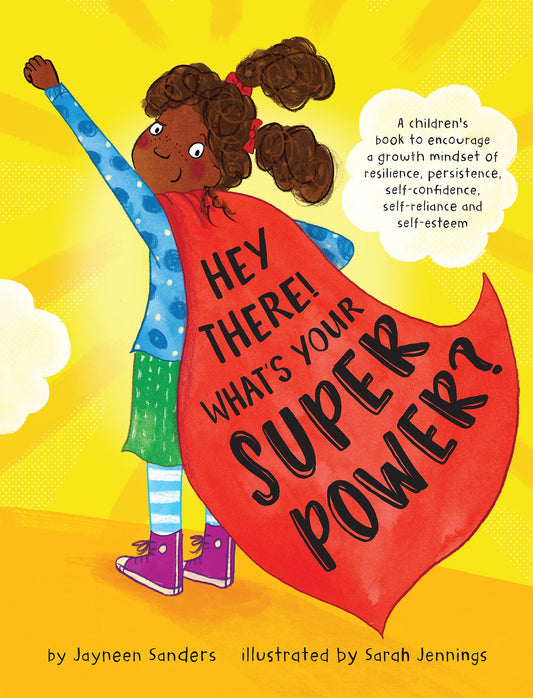
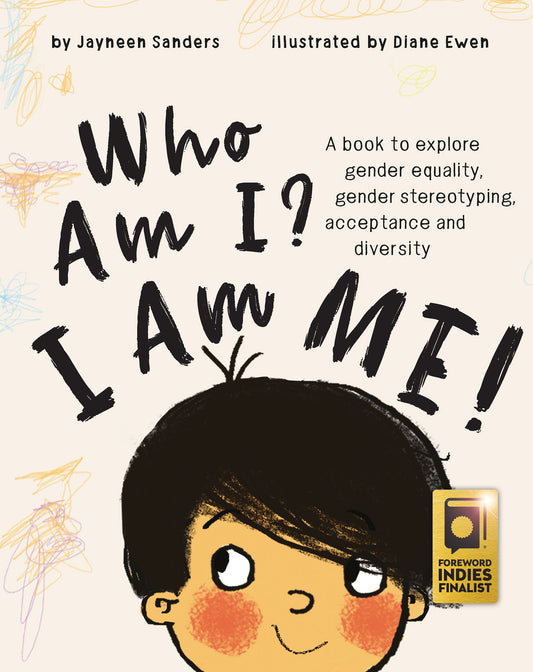
Ready to start building your family's positive word bank? Discover So Many Words for Me to Be and the Little Chats Big Voices series to find the perfect language to help your child blossom.
 |
 |